July 2, 2026
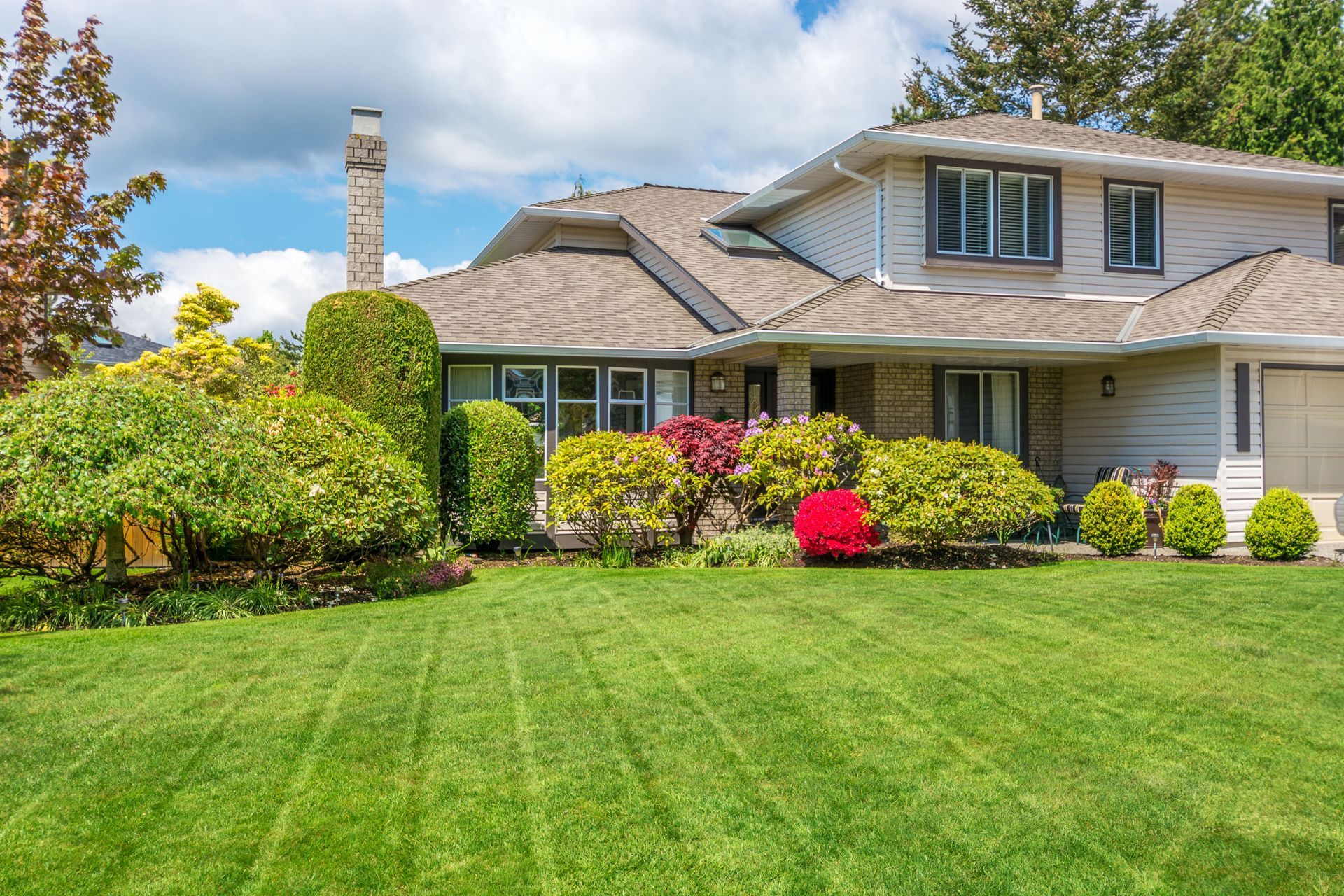
Outdoor spaces are increasingly being treated as essential extensions of the home, influencing how families relax, entertain, and spend time together. A modern landscaper is often responsible for balancing design appeal with long-term functionality, ensuring that each outdoor element supports how people actually live. This shift reflects a growing preference for landscapes that are not only attractive but also practical and adaptable throughout the year. Homeowners are now prioritizing outdoor environments that feel intentional, comfortable, and aligned with lifestyle needs.
Understanding Modern Landscaping Preferences
Homeowners are placing greater emphasis on thoughtful planning before any physical work begins, which has reshaped how outdoor projects are approached. A professional landscaper typically evaluates how a space will be used daily, seasonally, and socially before finalizing a design direction. This approach ensures that layouts are not only visually appealing but also functionally efficient for long-term use. There is also a noticeable shift toward personalization, where outdoor spaces are designed around specific habits such as entertaining, gardening, or relaxation. Many homeowners are combining multiple uses within a single yard, requiring more strategic zoning and flow. Design decisions now focus on creating balance between structure and flexibility so that spaces can evolve with changing needs over time. Material selection and plant placement are also being influenced by long-term maintenance considerations. Instead of prioritizing purely decorative features, homeowners are opting for designs that remain manageable without constant upkeep. This planning-focused mindset is reshaping how outdoor environments are conceptualized from the start.
Choosing Sustainable Materials
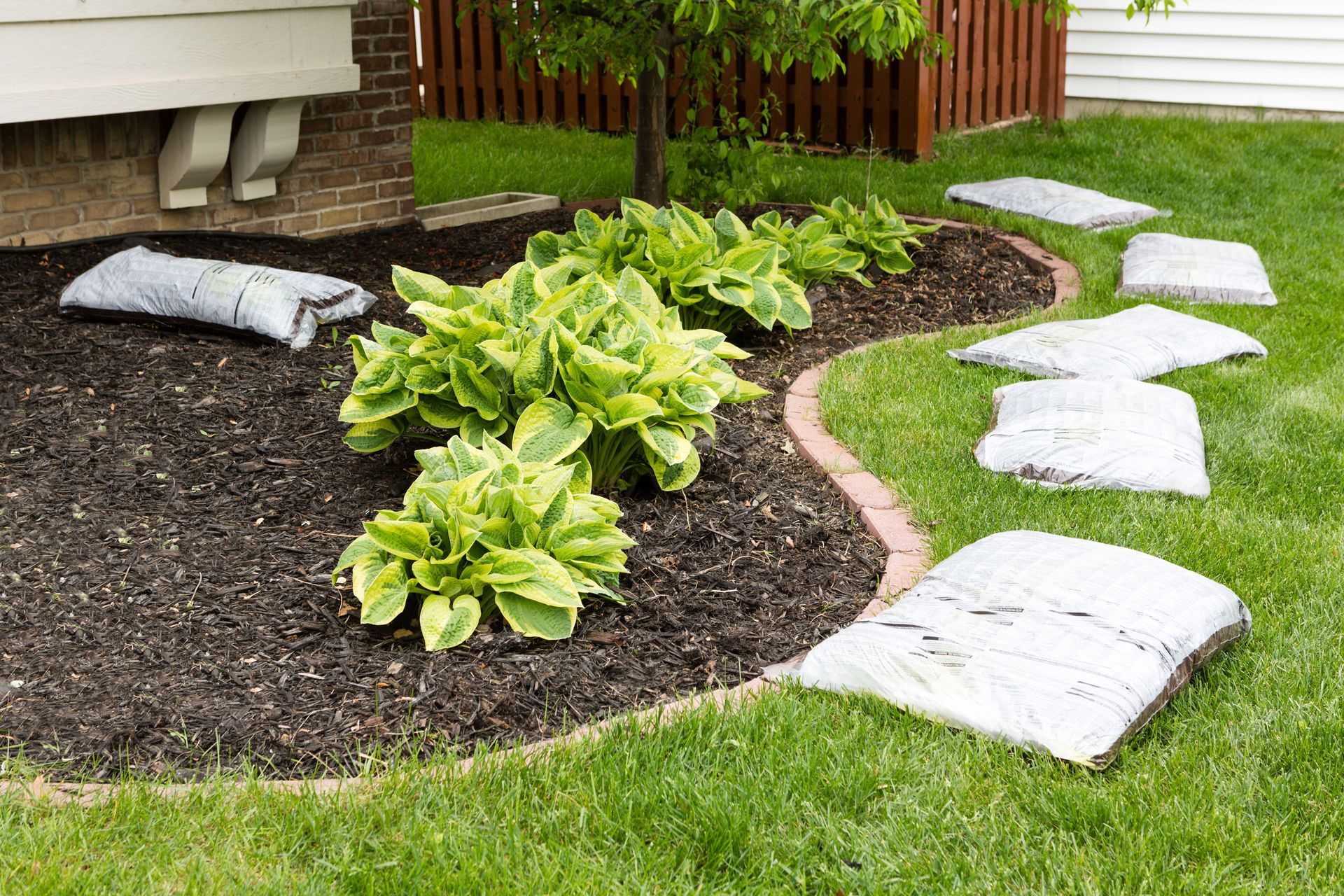
Sustainability has become one of the strongest influences in modern outdoor design, especially when it comes to plant selection and building materials. A landscaper often recommends native plants because they adapt naturally to local conditions and require less irrigation and maintenance over time. These choices support healthier ecosystems while also reducing long-term costs for homeowners. Eco-conscious landscaping is also influencing industry growth patterns. According to Gitnux, broader market analysis indicates that the global landscaping services sector is projected to grow at an approximate 4.8% compound annual rate between 2022 and 2030, reflecting rising demand for sustainable outdoor solutions. This growth highlights how environmental responsibility is becoming a standard expectation rather than an optional upgrade. Beyond planting, homeowners are also adopting permeable paving, recycled stone, and organic mulch to improve drainage and reduce environmental impact. These materials help manage stormwater more effectively while supporting soil health. The overall result is a more balanced approach where visual design and environmental performance work together seamlessly.
Enhancing Outdoor Living Areas
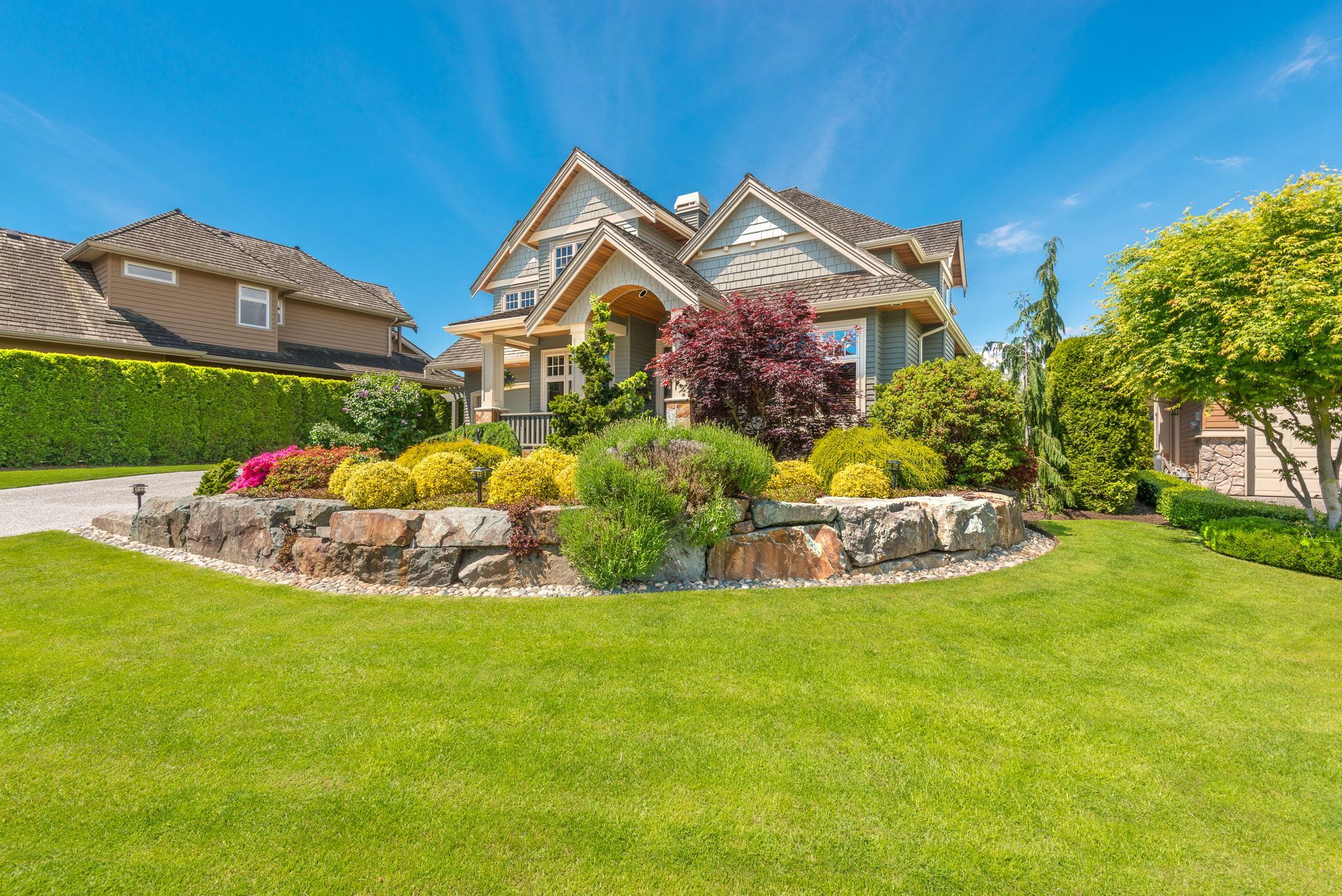
Outdoor living areas are now designed with the same level of detail as interior rooms, often functioning as fully equipped extensions of the home. A landscaper helps structure these environments to include designated zones for dining, cooking, and relaxation. Fire pits, outdoor kitchens, and shaded seating areas are especially popular because they extend usability across multiple seasons. Homeowners are increasingly viewing their yards as entertainment spaces rather than passive landscapes. This has led to more intentional layouts that prioritize flow between different activity zones. Comfortable seating, durable materials, and weather-resistant finishes are commonly integrated to ensure long-term enjoyment without excessive maintenance demands. Lighting also plays a major role in shaping atmosphere and usability. Subtle illumination along pathways and focal points allows outdoor areas to remain functional after sunset while enhancing visual appeal. These design choices contribute to a more immersive and enjoyable outdoor experience overall.
Integrating Smart Technology
Technology is becoming a core part of modern landscaping, particularly in irrigation and lighting systems that improve efficiency and convenience. A landscaper often incorporates smart irrigation systems that adjust watering schedules based on real-time weather conditions and soil moisture levels. This reduces water waste while ensuring that plants receive consistent care. Smart lighting systems are also gaining popularity for their flexibility and ease of use. Homeowners can adjust brightness, timing, and color settings through mobile apps, allowing outdoor spaces to adapt instantly to different occasions. These systems enhance both security and ambiance without requiring manual adjustments. Automated outdoor solutions are making maintenance more predictable and less time-consuming. As a result, homeowners are increasingly investing in technology that simplifies care while maintaining high-quality landscape performance. This shift reflects a broader move toward convenience-driven outdoor living.
Designing Edible Gardens
Edible landscaping is becoming more common as homeowners look for ways to combine beauty with practicality. A landscaper often ensures raised garden beds, herb sections, and fruit-bearing plants are integrated into traditional designs to create multi-functional outdoor spaces. Space efficiency is especially important in smaller yards, where vertical gardens and compact planting systems help maximize productivity. These designs allow homeowners to grow food without sacrificing aesthetic appeal or usable space. Functional gardens also encourage healthier lifestyles by making fresh produce more accessible. Homeowners appreciate the convenience of harvesting ingredients directly from their own yards. This trend continues to redefine how outdoor environments are used beyond decoration alone.
Creating Water Features
Water features have become key design elements for homeowners seeking calm and visually engaging outdoor environments. A landscaper often incorporates ponds, fountains, or cascading water systems to introduce movement and sound into the landscape. These features contribute to a more peaceful and immersive outdoor experience. Careful placement is essential to ensure that water elements integrate naturally with surrounding plants and structures. Design considerations include scale, maintenance, and long-term functionality. When properly executed, these features enhance both biodiversity and aesthetic value. Homeowners are increasingly drawn to outdoor spaces that support relaxation and stress reduction. The presence of water creates a sensory experience that promotes calmness and encourages time spent outdoors. This makes water features a valuable addition to modern residential landscapes.
Maintaining Year Round Appeal
Maintaining visual interest throughout all seasons is a growing priority in landscape design. A landscape expert typically achieves this by combining evergreen plants, seasonal blooms, and structured design elements that provide consistent visual balance. This ensures that outdoor spaces remain attractive even during dormant periods. Seasonal variation is carefully planned to maintain color, texture, and structure throughout the year. Plant selection is often staggered so that different elements peak at different times, creating continuous visual interest. This approach prevents landscapes from appearing static or incomplete. Lighting further enhances year-round appeal by highlighting key features during darker months. Pathway lighting, accent illumination, and architectural highlights help maintain usability and visual depth. These strategies ensure outdoor spaces remain inviting regardless of season.
Strengthening Biodiversity
Modern landscaping increasingly emphasizes ecological responsibility and support for local wildlife. Native plants, pollinator-friendly flowers, and natural habitats are being incorporated into residential designs to encourage biodiversity. These elements create healthier and more self-sustaining outdoor environments. Homeowners are becoming more aware of how landscaping choices affect local ecosystems. Wildflower areas and low-maintenance meadow sections are often included to support bees, butterflies, and other beneficial species. These features also reduce maintenance demands while improving ecological value. Natural balance is further enhanced through thoughtful habitat integration, including bird-friendly planting and small shelter areas. These additions help create dynamic outdoor environments that feel connected to surrounding nature. The result is a landscape that supports both beauty and ecological function.
Modern landscaping continues to evolve toward more intentional, sustainable, and experience-driven design choices. Homeowners are seeking outdoor environments that combine practicality with comfort while also supporting long-term environmental health. A skilled landscaper plays an essential role in translating these expectations into cohesive and functional outdoor spaces that enhance everyday living. For tailored outdoor solutions that bring these trends to life, contact DJ's Greensweep Landscape Services.